
Relationships #8: Let's Talk About Drama

Time to read: 87 seconds
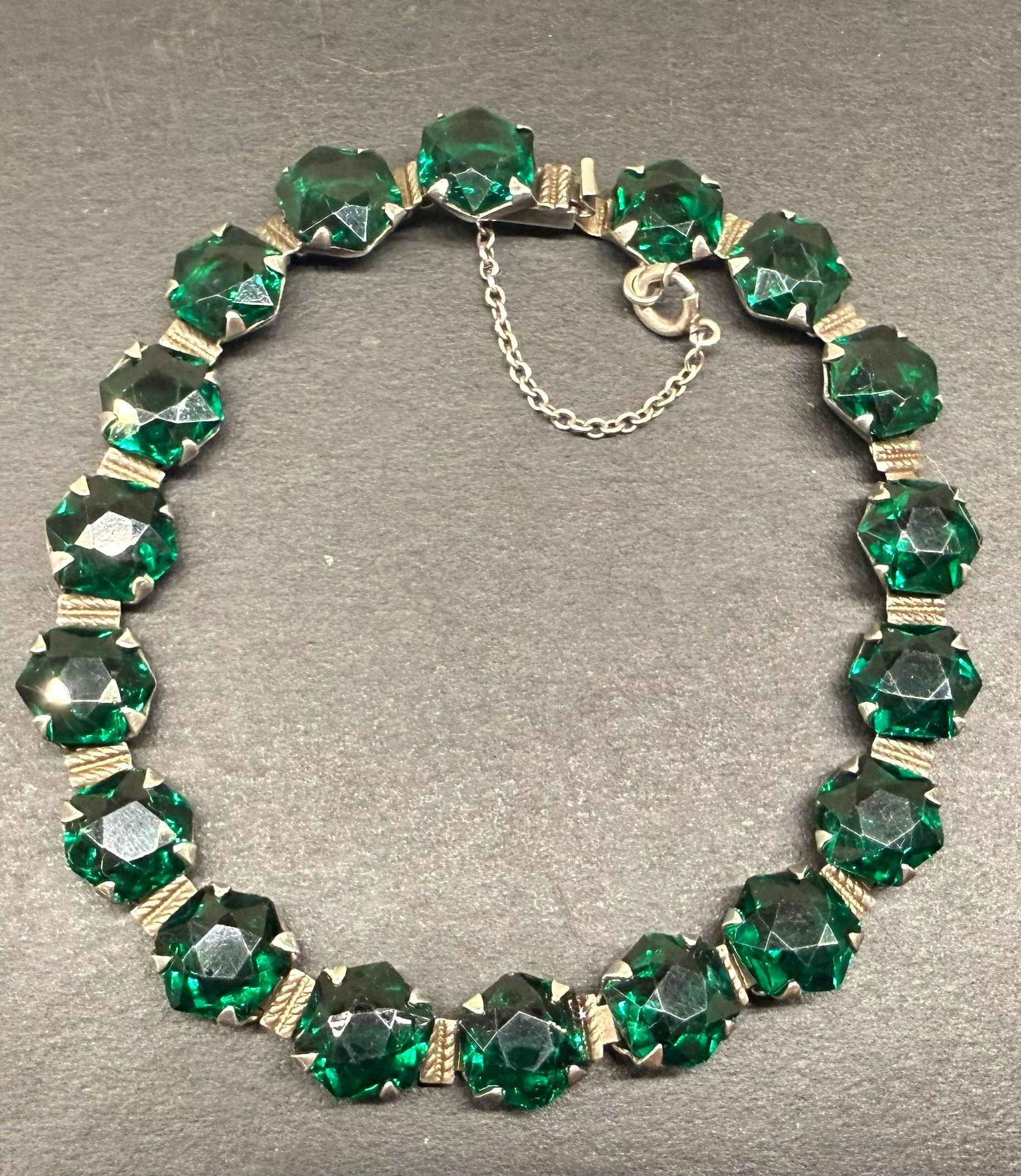
I'm a sucker for all things green and sparkly

Susie said she’d organize dinner. Then she didn’t.

Maeve feels like Susie doesn’t care, so she calls you to talk it through. Then Susie calls you because she feels misunderstood. Soon the two of them are trading snarky texts, and now you have drama.

Here’s what I want you to notice: the missed dinner wasn’t drama. Maeve’s hurt wasn’t drama. Susie feeling misunderstood wasn’t drama either.Drama showed up when two people stopped talking to each other and started talking about each other.

I have strong opinions about this, and they all come back to one word:choice.

— Hurt feelings are normal. Drama is a choice. Conflict is part of any close relationship. Snark, heat, and barbed comments are optional.

— Taking ownership leaves very little room for drama. Imagine Maeve saying to Susie, “I was hurt when dinner didn’t happen. I wondered if it mattered to you.” And Susie answering, “I dropped the ball, and I’m sorry. Let me make it right.” A little discomfort, and then it’s done.

— Drama often comes from a missing skill or missing courage. Most of us were never taught how to have a direct, tender conversations, and that’s fixable. Courage is harder, because telling a friend how you feel is so much easier than telling the person who hurt you. The good news is that both skills can be learned.

— Sometimes drama is entertainment. Stirring the pot cures boredom and gives a friend group something to talk about. Think of how a group chat perks up the moment two people are in conflict. Shared gossip can even feel like closeness. If you’re honest, you might recognize that pull in yourself. I do.

— Designed alliances help. That means being intentional about how you relate to the people you love: agreeing on expectations, and on what you’ll do when someone falls short. You’ll still disappoint each other. You’ll just know what to do.

If you like drama in your relationships, feel free to ignore me. If you wish you had solutions, come back next week.

If you have friends and colleagues who would like to join our conversation about creating healthy, functional relationships, they can sign up for this newsletter here.
 

Relationships #7: Four Questions To Ask About Any Relationship

Time to read: 1 min, 3 seconds

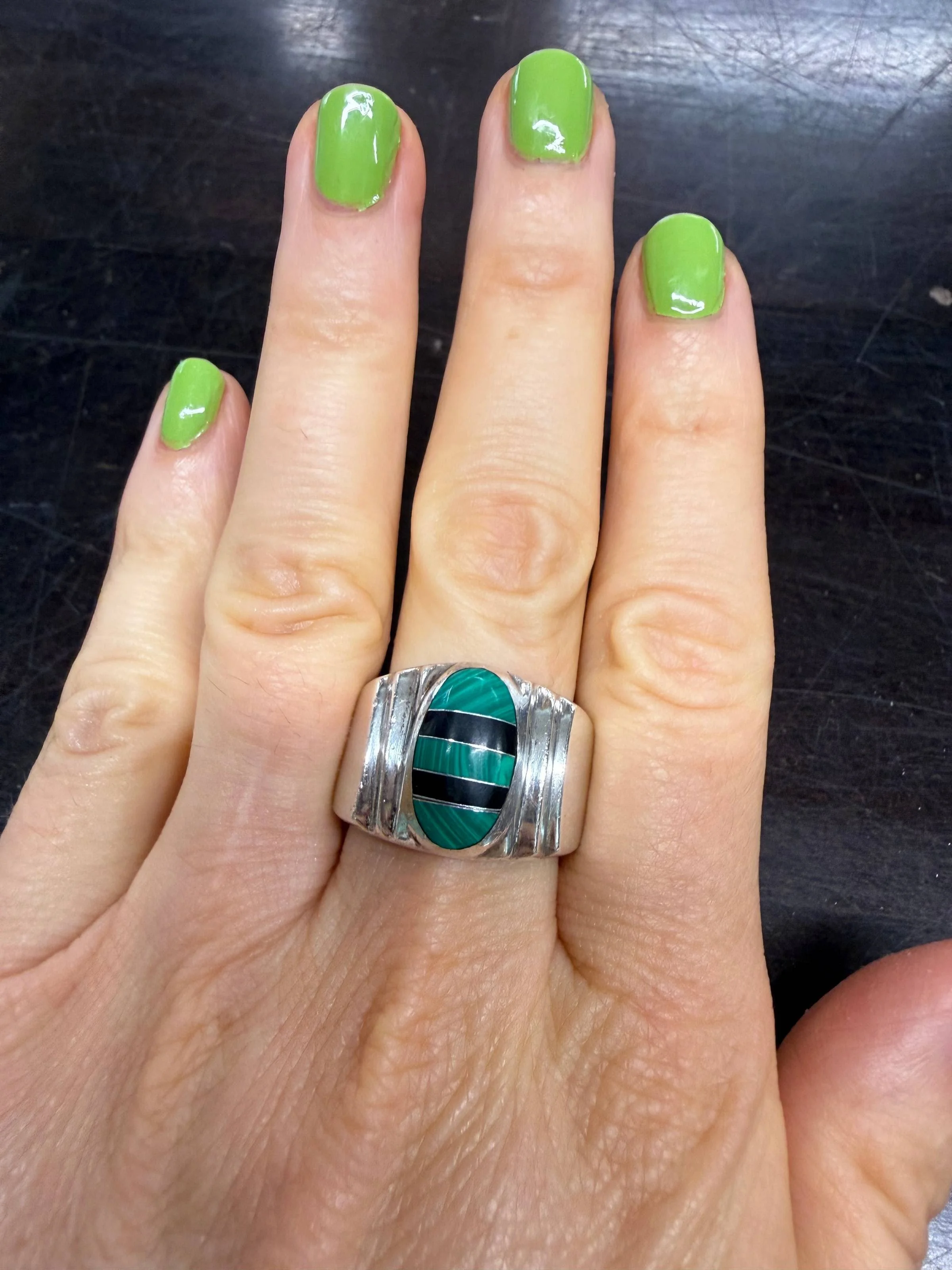
A change from jewelry

Most of your relationships developed through circumstance. Your kids go to the same school. You landed in the same office, neighborhood, or family. Over time, relationships settle into unconscious patterns. Who reaches out. Who gives advice. Who listens. Who gets listened to.

Those patterns work for a while. Then one day you notice you're tired, or resentful, or just going through the motions, and you realize you never agreed to any of it.

Today I'd like to suggest a different approach: design your alliances on purpose.

An alliance is simply an agreement between two people or a group about how they'll show up for each other. Most of the time it's unspoken, which is why it so often goes unexamined. Bringing consciousness to your relationships just means asking a few questions:

  • What do I want from this relationship? Fun? Honesty? Support through hard times? A shared history? Be specific.
  • What do I bring? Know your strengths. Maybe you're the planner, the encourager, the fun one, or the one who tells the truth gently.
  • What does this person bring? Look past what they don't do and notice what they do.
  • Does the current arrangement work for both of you? If not, what is one small thing to shift?

You don't need to sit your friends down and announce a contract. Most of this happens in your own head, followed by a few small conversations. "I'd love to see you more often." "I'm not great on the phone, but I'm happy to meet for a walk." That's design.

It also shows that you don't have to give every relationship the same amount. Some people are your inner circle. Some are lovely to see a few times a year. Both can be great, as long as you choose it rather than drift into it.

This week, pick one relationship and answer the four questions above. Notice what you learn.

If you have friends and colleagues who would like to join our conversation about creating healthy, functional relationships, they can sign up for this newsletter here.
 

Relationships #6: You Asked And No One Stepped Up. Now What?

Time to read: 62 seconds

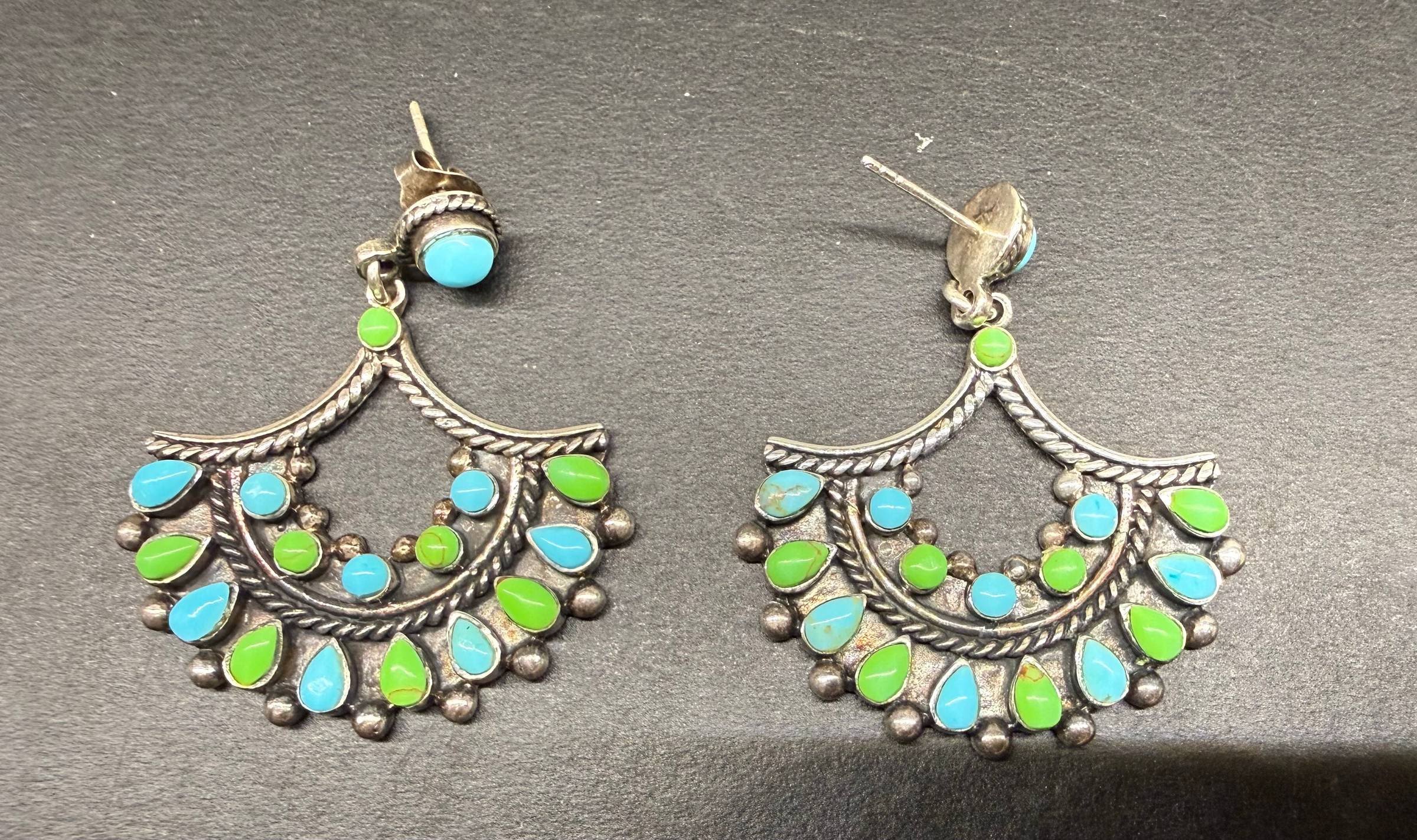
I think of this as a "man ring." It's big and chunky.

Last week we talked about asking for what you need. Maybe you tried it. You said, "Can you pick the restaurant this time?" and got a shrug, a late reply, or a "sure!" that went nowhere.

That stings. Before you draw big conclusions, pause and look more closely.

First, check the ask. Was it specific? "I could use some help" is easy to miss. "Can you plan the June get-together?" is not. Did you give them time? Some people need a nudge or a second try before it sticks.

Then, look at the pattern. One missed ask might be a busy week. Three might be telling you something. Notice whether this person shows up in other ways. Some friends will never organize lunch but will always answer the phone at midnight or show up with soup. Those are real contributions, even if they aren't the one you asked for.

Finally, decide what you want to do. You have a few honest options:

  • Accept that you are the instigator. If you enjoy it, plan the lunch and stop keeping score.
  • Adjust your expectations. Let this friend be the one you see when you invite them, not the one who invites you, which might downgrade your closeness.
  • Pull back a little. Try letting something lapse and see who reaches out. It isn't a test or a punishment. It's information.

None of these means you've failed or that they don't care. You just learned how this relationship works, and now you get to choose how much of yourself to invest.

This week, think of one person who hasn't stepped up. What do they bring that you've been overlooking?

If you love this newsletter, please share it with your colleagues. They can sign up here.


Relationships #5: Tired Of Being The One Who Plans Everything? Do this!

Time to read: 85 seconds

Last week we talked about being the instigator, the person who always sets the date and sends the group text. If you read it and thought, "That's me, and I'm tired," this one is for you.

Many of us wait for others to notice we're doing too much. We hope someone will say, "Let me plan this one." Sometimes they do. Often they don't, and it's not because they don't care. Most people simply assume that if you're organizing everything, you want to. They can't see how you feel unless you tell them.

And who doesn't love traveling with a friend who makes all the plans?

The good news is that asking is easier than you'd expect. A few ways to start:

  • Hand off one thing. "Can you pick the restaurant this time?" is small and specific, and it's hard to say no to.
  • Name a rotation. "Let's take turns hosting. I'll do this month; who's up next?"
  • Say what you enjoy. "I love planning the trips, but I'd love some help with the booking."
  • Be direct, not accusatory. "I've noticed I'm usually the one who reaches out. Could you suggest the next get-together?" works better than "Why do I always have to do this?" which is a great start to a conflict.

Notice what these have in common. They're clear, kind, and ask for one thing at a time. You're not criticizing anyone. You're giving them a chance to step up.

And if you ask and nothing changes? That's useful information, too. It doesn't mean you should stop caring, but it may tell you where to invest your energy.

This week, try asking for one small thing from one person. See what happens. Next week we'll talk about what to do if you ask and nothing changes.

If you have friends and colleagues who would like to join our conversation about creating healthy, functional relationships, they can sign up for this newsletter here.

 

Relationships #4: Why am I the one who plans everything?

Time to read: 1 min

Beautiful amethyst

If you've followed the past three weeks about giving 100% in your relationships (no more, no less), today might seem like a contradiction. Stay with me.

Maybe you're the one who always schedules the lunch or pulls the friends together for a road trip, and you've wondered, "Why am I the only one who...?" Being the person who initiates doesn't necessarily mean you're over-performing.

Every group, every pair, needs an instigator: the person who picks up the phone, sets the date, sends the group text. Without one, nothing happens.

On Friday, I went to a reunion of over 200 people who worked for the same company 20 years ago. It happened because one man sent an email saying, "Hey, let's get together next Friday." He booked the space, ordered the food, handled the communication, and recruited volunteers. He looked like he was having the time of his life. He wasn't over-performing. He was doing what he loved, and 200+ of us showed up because of it.

People play different roles. You organize the lunch, a friend remembers birthdays, you bring the food, another friend finds the perfect gift. Each one matters.

Still, the instigator role can feel lopsided, and that feeling is worth noticing. Ask yourself: is this a gift or a burden? If you enjoy it, appreciate what you bring and let the "Why me?" story go. If it's wearing you down, ask for help with the logistics or let someone else pick the date and place.

This week, think about which role you play, and whether you've thanked the people who play the others.

Just a thought. :-)

If you have friends and colleagues who would like to join our conversation about creating healthy, functional relationships, they can sign up for this newsletter here.
 

Relationships #3: The Downside of 150%

Time to read: 1 minute and a few seconds

Today might be a little uncomfortable. Stay with me because it's territory I know well.

Overperformance!

My favorite.

Here's the uncomfortable flip side of the 100/100 rule: sometimes the imbalance isn't about someone else giving too little. It's about you giving too much.

Just because you over-perform doesn't mean other people have to step up and give 150% too.

You tell yourself lots of stories about your over-performance. It's care, or responsibility, or just "how I am." You're the one who remembers the details, smooths things over, makes sure nothing falls through the cracks. It's easy to wear that as an identity without noticing you've quietly set the bar at 150% and started measuring yourself and everyone else against it.

The problem is, 150% is exhausting you and isn't a standard other people agreed to. So when someone shows up at an honest 100%, it can feel like they're falling short, even though, by the actual rule, they're doing exactly their part. Or you're doing all the things and falling in bed cross-eyed at night.

Over-performing has many reasons: discomfort with asking for what you need, wrapping your worth in your work (that's me), or maybe it's just habit, built up over years of doing it all.

If you're constantly the one organizing, inviting, initiating — before asking why won't they meet me here,"" it's worth asking a more uncomfortable question first: am I operating at 100%, or have I quietly made 150% my baseline, and now I'm tired and resentful that no one else is matching a number I set for myself?

Maybe it's time to pull yourself back to 100%. For your sake and for your relationships.

If you have friends and colleagues who would like to spend a few weeks learning about how to create healthy, functional relationships, they can sign up for this newsletter here.
Enjoy the food for thought!


Relationships #2: 100% Is a Moving

Time to read: 1.3 minutes

Last time we talked about the 100/100 rule — you give your 100%, and so does the other person. Simple in theory. But there's a catch: 100% isn't a constant number.

100% effort fluctuates depending on how you feel and what's happening in life. When you are sick, 100% looks different. If you're super tired, your 100% will be less than when you are rested.

Think about it in practice. The friend who's usually the first to text back might go quiet for a week because they're drowning at work. The partner who normally initiates plans might not have it in them the month after a parent's diagnosis. Their 100% just shrank. It didn't disappear, and it isn't a downgrade of how much they care.

That's not you slacking, and it's not the other person slacking either when their 100% dips. The rule was never"always perform at your peak." The rule is: "show up honestly with what you actually have."

The tricky part is telling the difference between someone's 100% shrinking for a real reason and someone quietly settling into a smaller, permanent version of it. One is a season. The other is a pattern. It's worth paying attention to which one you're actually looking at before you decide whether to extend patience or ask for more.

Next week we'll talk about over-performing in relationships. I don't know anything about that. :-)

If you have friends and colleagues who would like to spend a few weeks learning about how to create healthy, functional relationships, they can sign up for this newsletter here.