Relationships #2: 100% Is a Moving

Time to read: 1.3 minutes

Last time we talked about the 100/100 rule — you give your 100%, and so does the other person. Simple in theory. But there's a catch: 100% isn't a constant number.

100% effort fluctuates depending on how you feel and what's happening in life. When you are sick, 100% looks different. If you're super tired, your 100% will be less than when you are rested.

Think about it in practice. The friend who's usually the first to text back might go quiet for a week because they're drowning at work. The partner who normally initiates plans might not have it in them the month after a parent's diagnosis. Their 100% just shrank. It didn't disappear, and it isn't a downgrade of how much they care.

That's not you slacking, and it's not the other person slacking either when their 100% dips. The rule was never"always perform at your peak." The rule is: "show up honestly with what you actually have."

The tricky part is telling the difference between someone's 100% shrinking for a real reason and someone quietly settling into a smaller, permanent version of it. One is a season. The other is a pattern. It's worth paying attention to which one you're actually looking at before you decide whether to extend patience or ask for more.

Next week we'll talk about over-performing in relationships. I don't know anything about that. :-)

If you have friends and colleagues who would like to spend a few weeks learning about how to create healthy, functional relationships, they can sign up for this newsletter here.

 

Relationships #1: How Much Effort Should You Put In?

Time to read: 25 seconds

More vintage jewelry cuz, why not?!

See if any of these scenarios feel familiar:

  • You are organizing all the plans for the holidays and resent that it's all on you.
  • You are always the one inviting people to do things.
  • You feel like you always push for the important conversation, the deep topics.
Maybe it's something else entirely. You're the one who remembers birthdays, who checks in after a hard week, who keeps the group chat alive. Whatever the specifics, the shape is the same.

All of these situations feel unbalanced. You feel like you are putting in all the effort. It's no fun when a relationship feels out of balance — and over time, that imbalance curdles into something quiet and toxic: resentment. Not the loud kind. The kind that shows up as a sigh when you're texting to make plans, again. This isn't a recipe for the connection you want.

So, how much effort should you put in?

Here's the simple answer: 100%.

You put in 100% of yourself and your effort. No more. No less. 100% is not 150% for all you over-performers out there. (Just making sure you got it!)

The expectation is that your friends, partners, and colleagues also put in their 100%. Not carrying you. Not being carried. Just two people, each bringing their full, honest share to the table.

That's the standard. It sounds obvious once you say it out loud — and yet most of the relationships that feel unbalanced are ones where nobody ever actually agreed to that standard. They just drifted into a pattern, and one person kept absorbing the gap.

This week, notice one place where you're filling a gap that isn't yours to fill. We'll keep talking about what to do!

If you have friends and colleagues who would like to spend a few weeks learning about how to create healthy, functional relationships, they can sign up for this newsletter here.

 

Here's What You Are Worried About

Time to read: 10 seconds


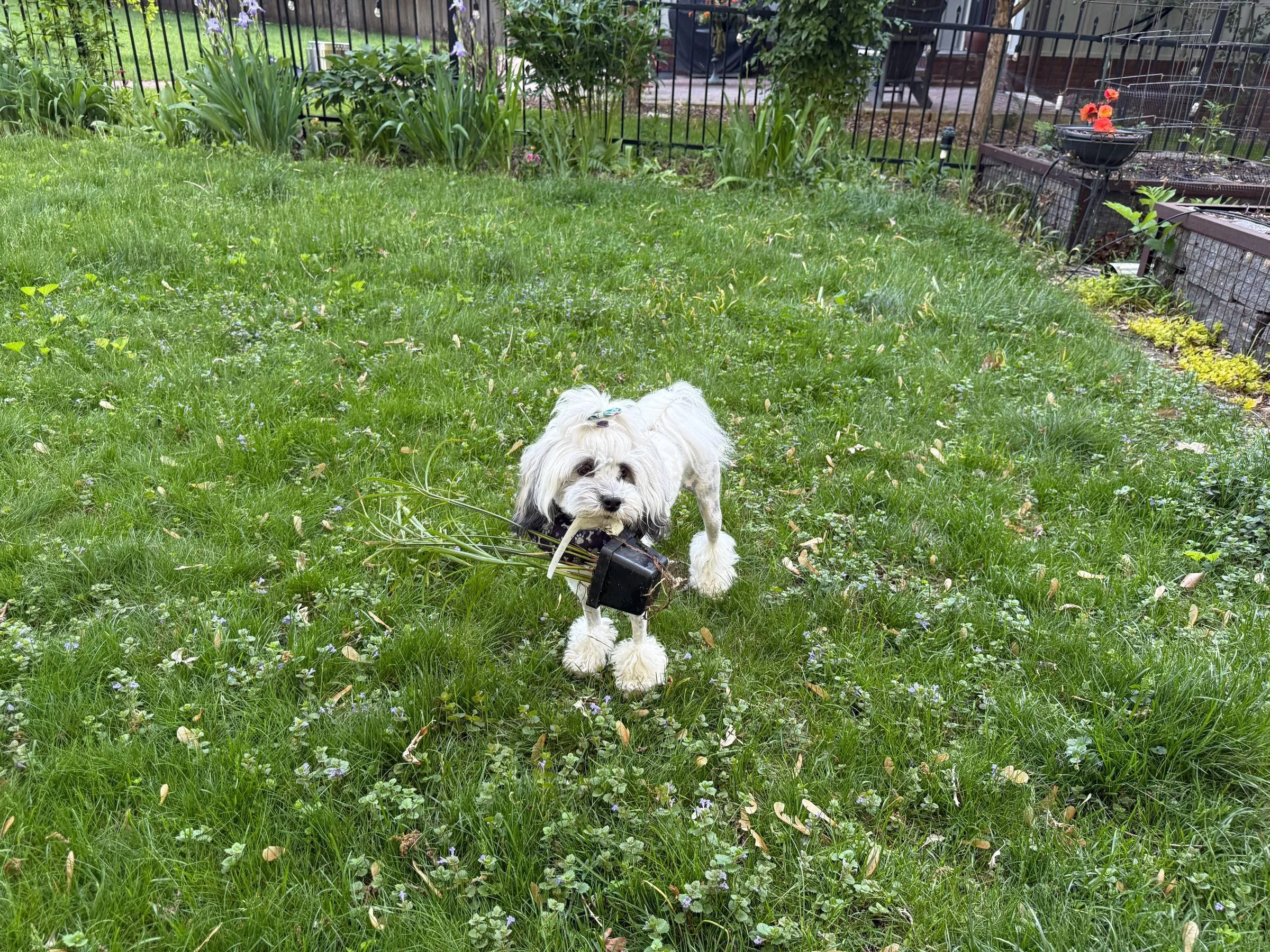
My puppy, "helping" me in the garden

You are generous, kind, and transparent. I'm grateful to be able to spend this summer writing about what matters to you! You shared stories, thoughts, and the things keeping you up at night. Here is a short list of what you said so you know you're not alone:

  • life balance
  • the intense job market
  • how to design the next phase of life (ie retirement)
  • AI
  • self care
  • caretaking like aging parents
  • too many emails
  • your mindset around money
  • family drama

And overwhelmingly, you wrote about your distress over the state of the world and our country. Many of you lie awake at night worried about the cost of gas, groceries, the job market, climate change, and the feeling that humans have stopped caring about each other.

All of these subjects share common themes, like change, living with uncertainty, managing fear, trusting life and yourself, and sustaining hope as a way of life.

I'll tell you up front: I am hopeful. I believe in the power of human ingenuity, resilience, and care.

I will be writing about all these things. Stay tuned.

Love to all of you, and thank you!

Know someone navigating a demanding season at work? Share this blog article with them. They can subscribe here

Questions about focus or making the most of an intense stretch? Email me . I read every one.


Making It Stick

Time to read: 1 minute

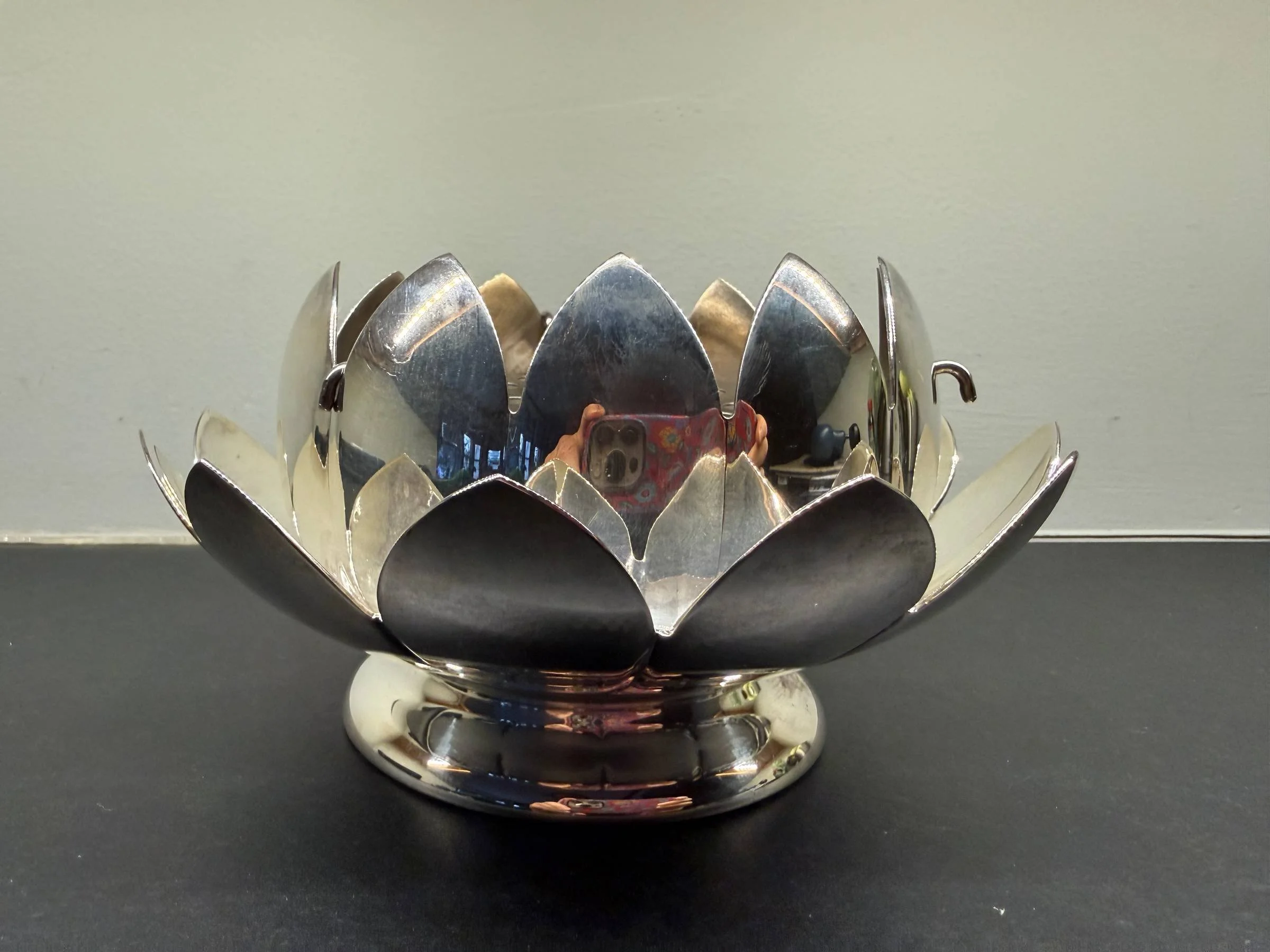
It's a lotus vase. Or officially called a "frog."

Six weeks ago, focus felt impossible.

You were buried. Reactive. Jumping between tasks and ending the day wondering where the time went.

I hope things feel more manageable.

To review, you've

  • Shaped your environment instead of fighting it.
  • Worked with your brain and energy’s natural rhythms.
  • Protected time for the deep work that moves your career.
  • Give yourself guilt-free rest.

None of this is magic. It's practice, and like any practice, it takes time, and you will slip.

A crazy week hits. The boundaries erode. The phone creeps back onto the desk. You cancel the fun for something urgent. That's not failure. That's just how a full, rich life works.

The question is how quickly you notice and come back.

That's the whole game. Do your best. Slip and recover. Start again. Skip the part where you judge or beat yourself up.

Learn to consciously reset. Take ten minutes at the end of the week to reflect. What worked? What didn't? What's one thing to protect or change next week? Small, consistent reflection compounds over time and creates powerful new habits. New habits transform your life, one step at a time.

Keep going! The skills you've built these past six weeks, focus, deep work, and recovery, aren't just productivity tools. They're career tools. They're what makes you someone who does exceptional work, builds a strong reputation, and is ready when opportunity appears.

Which, as we've talked about, is how careers advance.

This week: Set up your weekly reset. Pick a time — Friday afternoon, Sunday evening, whatever fits — and put it on the calendar. Ten minutes. Every week.

That's the whole practice.

Know someone navigating a demanding season at work? They can join us here.

Questions about focus or making the most of an intense stretch? Email me I read everyone.

Next week: Your environment is talking to you. Let's make sure it's saying the right things.


Rest Is Not a Reward

Time to read: You're gonna like this week's assignment. It's one minute down.

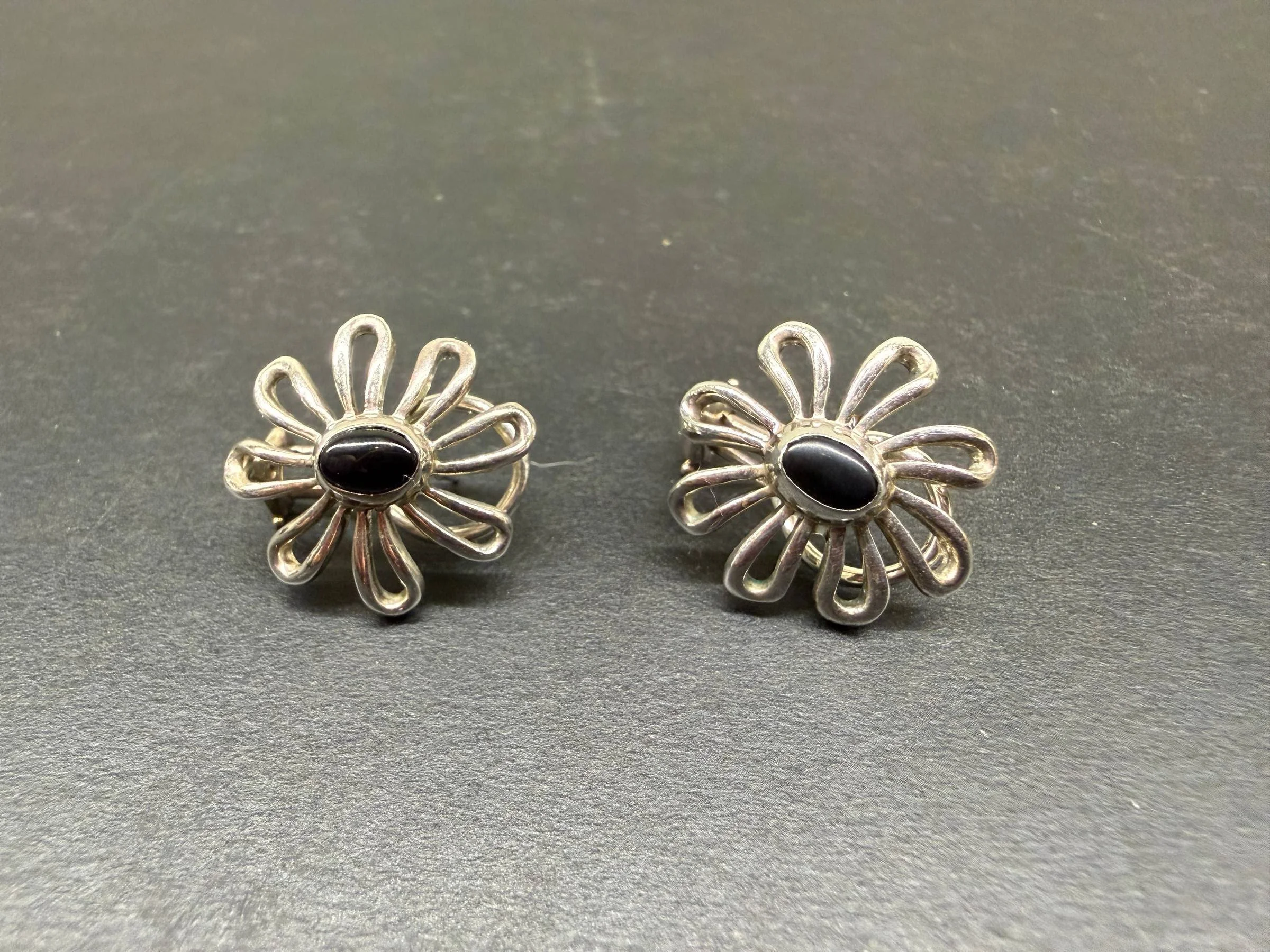
I'm starting to accept that the 1980s are vintage. Especially for these beautiful 1980s Tiffany earrings.

You've been grinding for weeks.

You're getting stuff done. Protecting your focus. Taming the noise. And somewhere in the back of your mind is a voice that says, “I'll rest when this is over. I'll have fun when I've earned it.”

I know this voice. I bet you do, too.

Rest makes work possible. It’s a must-have, not a nice-to-have. When you rest, your brain consolidates learning, generates creative connections, and recovers its capacity for focus. Cut downtime, and your effort will produce diminishing returns.

The same goes for fun. The things that have nothing to do with your career. A walk, a game, a long dinner with people you love. These aren't distractions from a productive life. They're the point of life.

Rest and downtime matter to your career. Some of your best thinking won't happen at your desk. It'll happen in the shower, on a run, staring out a window, while driving your car. The brain that's been given room to wander comes back sharper. That's how brains work. Giving yourself a break is you consciously using your brain’s full capacity.

The professionals who sustain high performance over a long career aren't the ones who grind the hardest. They're the ones who know how to rest and recover.

So, stop waiting to earn a break. Schedule it with the same intention you bring to your deep work blocks. Put it on the calendar and make it non-negotiable.

This week: Schedule something purely for you. Not productive. Not career-adjacent. Just fun. And if you’re tempted to cancel it, don’t. You must. Your coach just told you to rest. :-)

Know someone navigating a demanding season at work? They can join us here.

Questions about focus or making the most of an intense stretch? Email me I read everyone.

Next week: Your environment is talking to you. Let's make sure it's saying the right things.