
Relationships #10: The Words To Use

Time to read: 1 min, 10 seconds
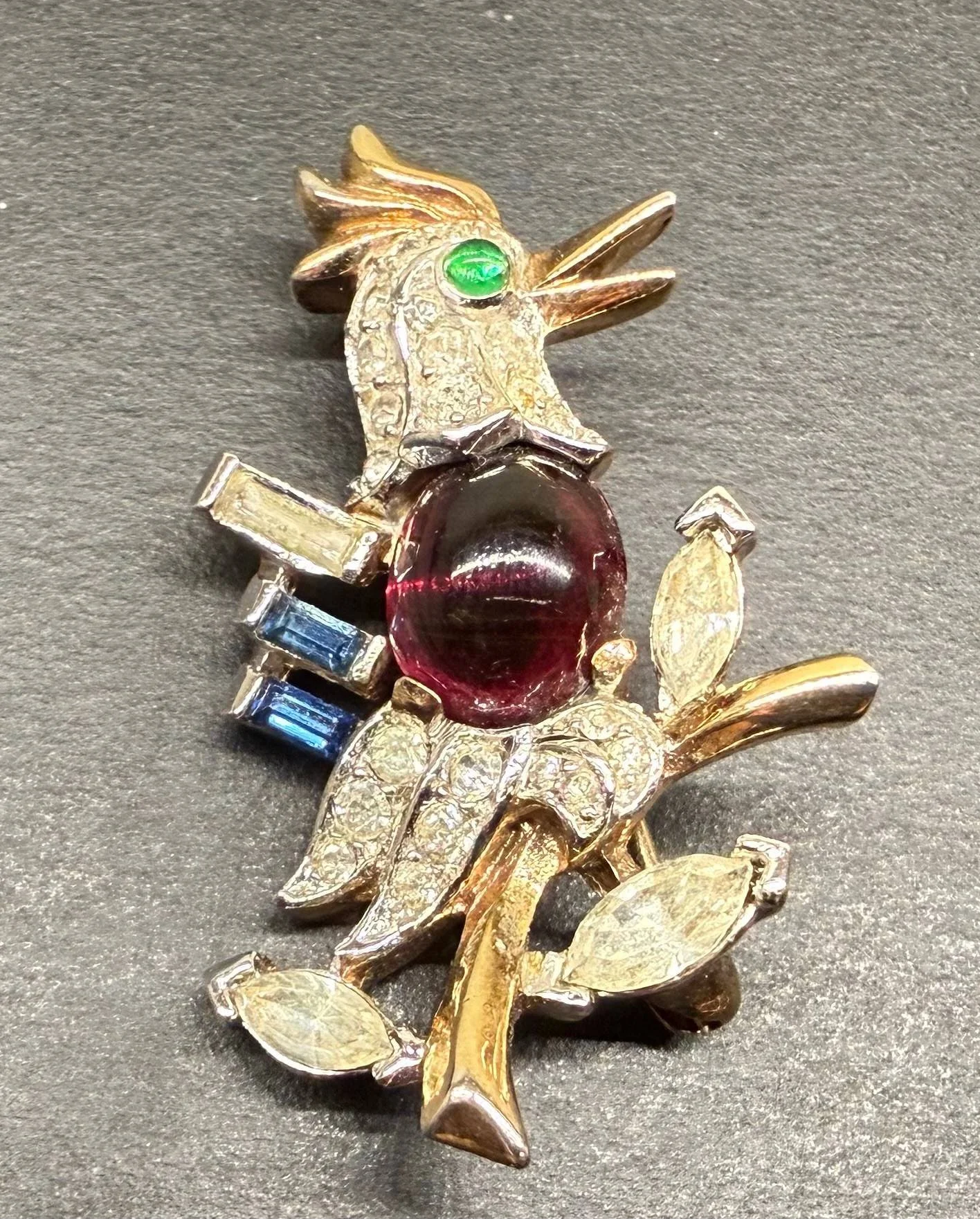
It's a Trifari jelly belly chicken brooch. Could anything be better?

You’ve felt your feelings. You’ve paused. You’ve decided the relationship matters more than being right. Now what?

Now you talk to the person, directly and kindly, before the story in your head gets bigger. Most of us were never taught how to have vulnerable conversations, so here’s a script. Make it your own. I've learned many communication skills by following a script shared by a boss or mentor.

Step 1: Open with transparency

“Do you have a few minutes? Something’s been on my mind, and I’m bringing it up because our friendship matters to me.”

Step 2: Share what happened, just the facts.

“We talked about dinner on Saturday, and it didn’t get planned.”

Leave out “always,” “never,” and “you obviously.”

Step 3: Share what you felt and the story you told yourself.

“I felt hurt, and I started wondering if it mattered to you. I know that's probably not true.”

That last sentence invites them in instead of putting them on trial.

Step 4: Ask for their side, and listen.

“What was going on for you?”

You might learn that Susie had a terrible week, or felt overwhelmed, or just plan forgot.

Step 5: Make a small, clear request.

“Next time, could you let me know early if plans fall through?”

Step 6: Say thank you.

“Thanks for talking with me about this. It means a lot.”

If they get defensive: Stay calm and say, “I’m not trying to blame you. I just wanted to share my feelings so they don't get in the way of our friendship.” Defensiveness is usually fear, not malice.

If it doesn’t go perfectly: That’s normal. A clumsy, honest conversation beats a polished, fake one every time.

It will feel awkward for a minute, but it’s far less painful and time-consuming than weeks of snark. You might even find you become closer as a result.

We've spent 10 weeks discussing relationships, starting with effort and instigation, and ending with the actual words to use to manage conflict. In the US, Thanksgiving is next week. Now you have a full toolbox for all the possible family conflict scenarios that a holiday can bring.

Know someone who would like a dose of optimism, positivity, and action this summer? Forward this to them. They can join us here.
 

Relationships #9: How To Handle Drama?

Time to read: 65 seconds

Last week I said drama is optional. This week is about how to handle drama. In a word, prevent it. (That's two words.)

Go back to Maeve. Dinner didn’t happen, and she feels like she doesn’t matter to Susie. Her phone is in her hand, and what she does in the next ten minutes shapes everything that follows.

1. Feel your feelings. Hurt and disappointment provide information. Name the feeling, honor that the hurt is a sign that you care about the relationship, and separate the feelings ("I'm hurt") from the story ("she doesn’t care”). When you tend to your feelings first, you care for yourself and clear the runway for a more productive response.

2. Pause. Go for a walk, sleep on it, or write the angry text and delete it. If you’re reacting, wait. If you’re trying to understand, go ahead. A pause isn’t avoidance. It’s how you show up as your best self instead of your most defensive one.

3. Choose the relationship over your ego. Ego wants to be right and have the last word. The relationship wants to be nurtured and repaired. Ask yourself, “Do I want to be right, or do I want to be in a relationship?” Choose your next steps accordingly.

4. Skip the audience. Venting feels good, but it often recruits someone to your side and makes the hurt sticky. Ask a friend to help you prepare to talk to the person, not to collude and help you build your case.

None of this makes the hurt disappear. It just keeps the hurt from becoming something bigger (i.e., drama).

Next week, I’ll give you the actual words because if you have any relationships at all, situations like this feel all too familiar.

If you have friends and colleagues who would like to join our conversation about creating healthy, functional relationships, they can sign up for this newsletter here.


Relationships #8: Let's Talk About Drama

Time to read: 87 seconds

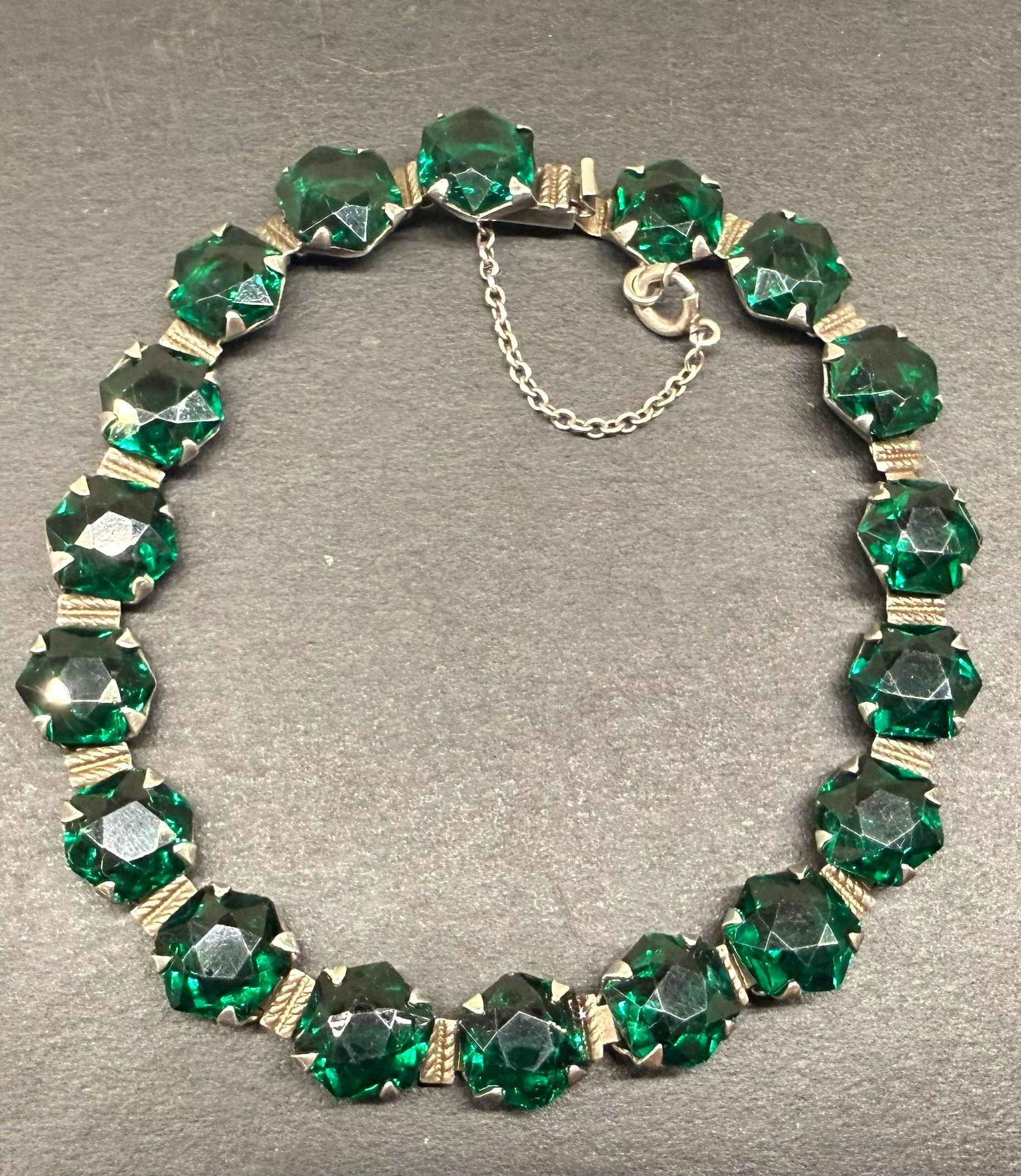
I'm a sucker for all things green and sparkly

Susie said she’d organize dinner. Then she didn’t.

Maeve feels like Susie doesn’t care, so she calls you to talk it through. Then Susie calls you because she feels misunderstood. Soon the two of them are trading snarky texts, and now you have drama.

Here’s what I want you to notice: the missed dinner wasn’t drama. Maeve’s hurt wasn’t drama. Susie feeling misunderstood wasn’t drama either.Drama showed up when two people stopped talking to each other and started talking about each other.

I have strong opinions about this, and they all come back to one word:choice.

— Hurt feelings are normal. Drama is a choice. Conflict is part of any close relationship. Snark, heat, and barbed comments are optional.

— Taking ownership leaves very little room for drama. Imagine Maeve saying to Susie, “I was hurt when dinner didn’t happen. I wondered if it mattered to you.” And Susie answering, “I dropped the ball, and I’m sorry. Let me make it right.” A little discomfort, and then it’s done.

— Drama often comes from a missing skill or missing courage. Most of us were never taught how to have a direct, tender conversations, and that’s fixable. Courage is harder, because telling a friend how you feel is so much easier than telling the person who hurt you. The good news is that both skills can be learned.

— Sometimes drama is entertainment. Stirring the pot cures boredom and gives a friend group something to talk about. Think of how a group chat perks up the moment two people are in conflict. Shared gossip can even feel like closeness. If you’re honest, you might recognize that pull in yourself. I do.

— Designed alliances help. That means being intentional about how you relate to the people you love: agreeing on expectations, and on what you’ll do when someone falls short. You’ll still disappoint each other. You’ll just know what to do.

If you like drama in your relationships, feel free to ignore me. If you wish you had solutions, come back next week.

If you have friends and colleagues who would like to join our conversation about creating healthy, functional relationships, they can sign up for this newsletter here.