
Week 8: Be The Antidote To Cynicism

Time to read: 1 minute!
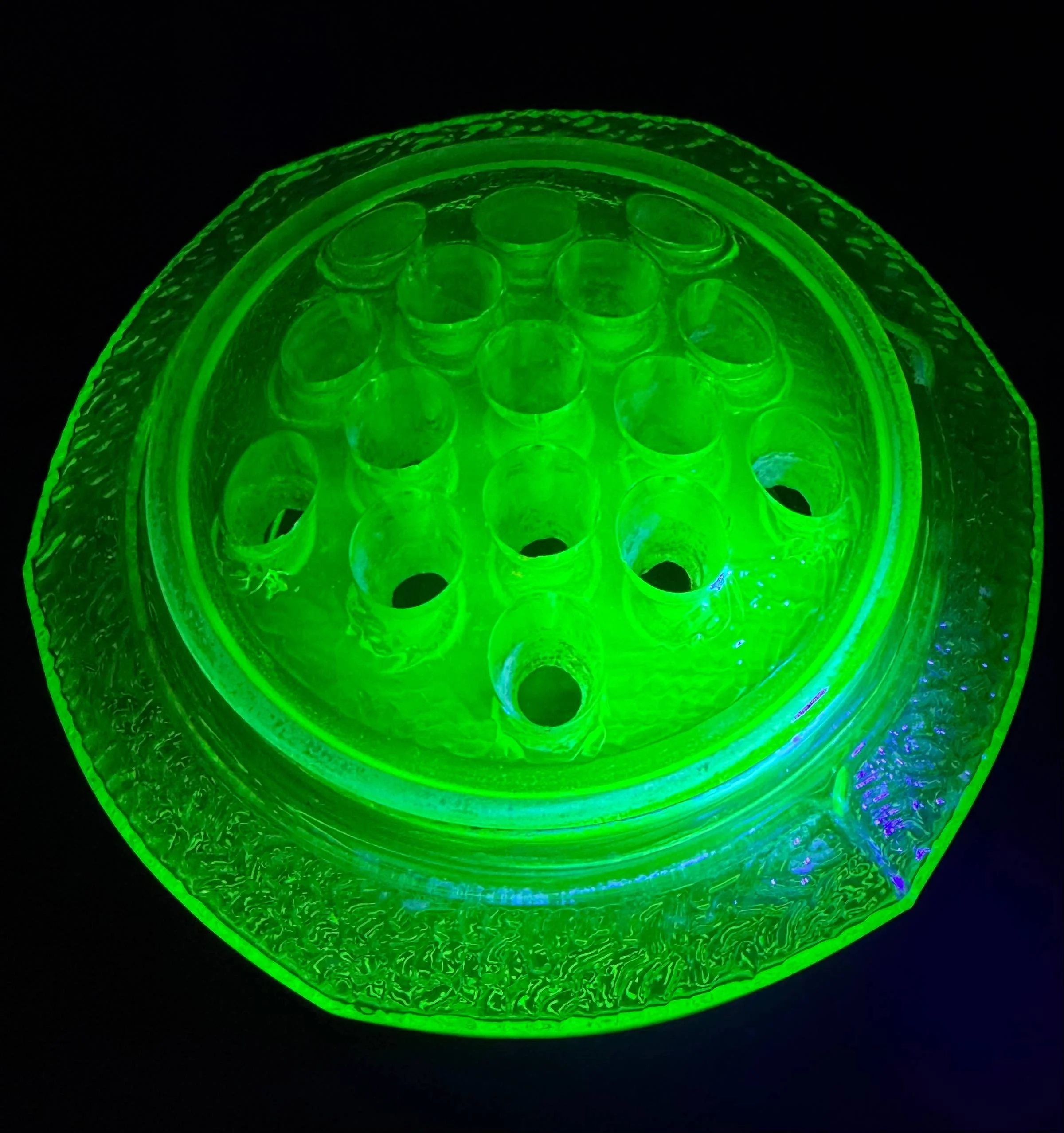
Uranium Glass!

Somewhere along the way, being kind got branded as soft, like you have your head in the sand or aren't being "realistic."

I think it's the opposite. Choosing kindness in a hard world isn't naive; it's a deliberate act, made with full knowledge of how people can behave. Being kind is harder than cynicism, not easier.

Cynicism is the low-effort choice. You get to point at what's wrong and stop. Kindness requires you to show up decently even when you have evidence that decency isn't guaranteed back. That takes more strength, not less. It requires thought, intention, and self-management not to shoot back with the mean but witty thing in your head.

When you're decent, you're not being a doormat or pretending bad behavior doesn't have consequences. You can hold boundaries and still choose to be the person who doesn't add cruelty to a day that already has enough of it.

The world doesn't need more people who can point out the problem. It needs more people willing to be the counterexample. And that's YOU. (and me)
 

Week 6: How You Spend Your Day Is How You Spend Your Life

Time to read: 1 min, 10 seconds

We've been talking about creating your life so you feel well-used. I saw a great quote from Annie Dillard that said, "How you spend your day is how you spend your life."

Your day comprises a series of small choices: what to eat, how to talk to others, what to do with your time, and how you show up.

There's a common finding in psychology: people rarely regret the things they did, even the things that failed. What haunts people is what they didn't try.

You don't regret the bad relationship you left or the business you tried and failed. But the person you never told how you felt, the chance you didn't take, the conversation you kept postponing? Those are the ones that stick.

There's a reason for this. When you act, and it goes wrong, you get an ending. You get information. You grieve and learn. But when you don't act, there's no ending, just an open wondering about what might have been.

Inaction feels safe in the moment because nothing bad happens. But nothing good happens either. Doors don't stay open forever. Many doors close quietly, without you noticing, and by the time you look back, the choice is gone.

This is the wild part of "wild and precious." Not recklessness — just refusing to let fear of a bad outcome be the reason you stopped.

So here's a question worth sitting with: What's the thing you've been not-doing? Not because you decided against it, but because you never decided?

That's usually the one worth looking at first.