Making It Stick

Time to read: 1 minute
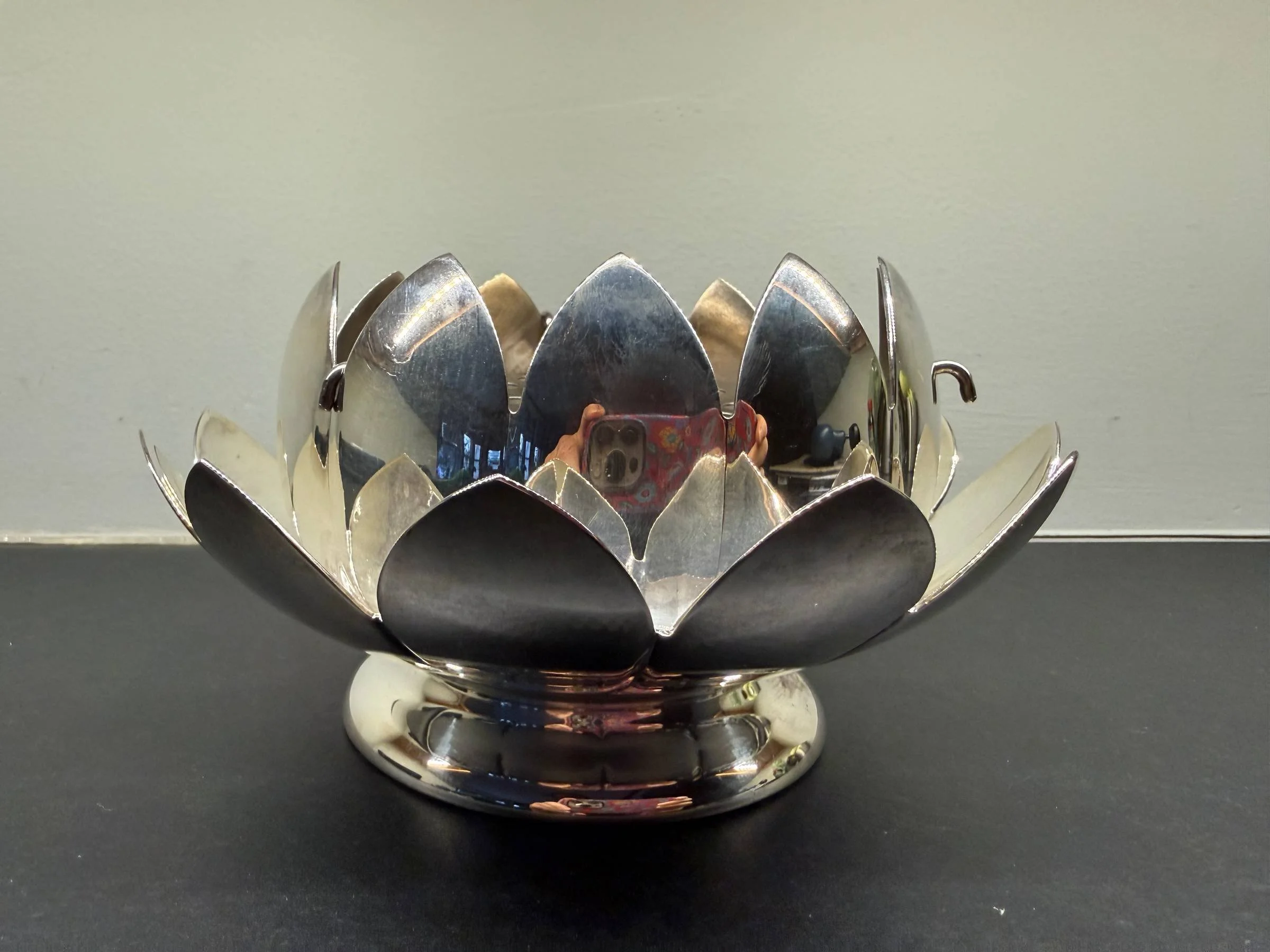
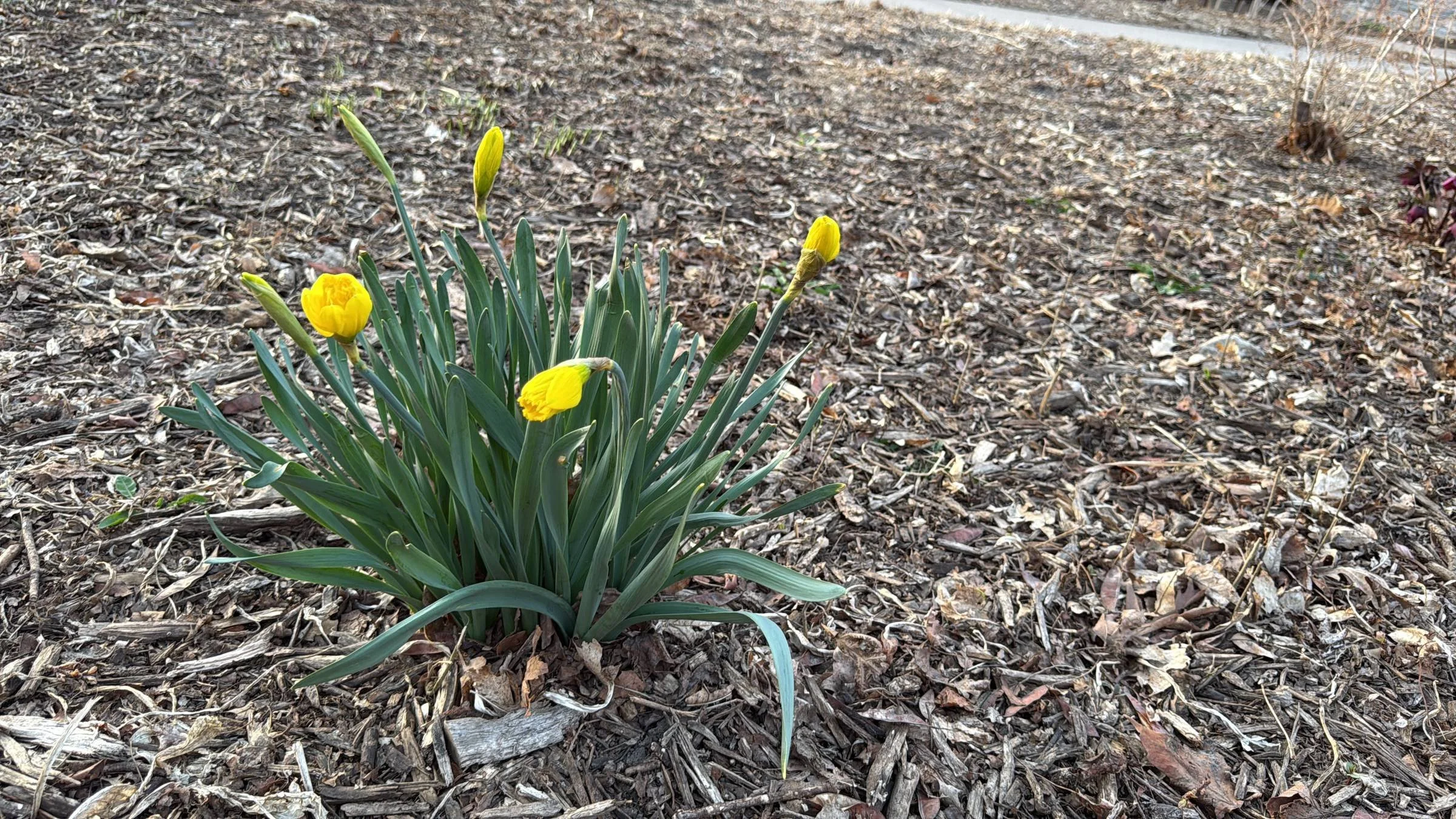
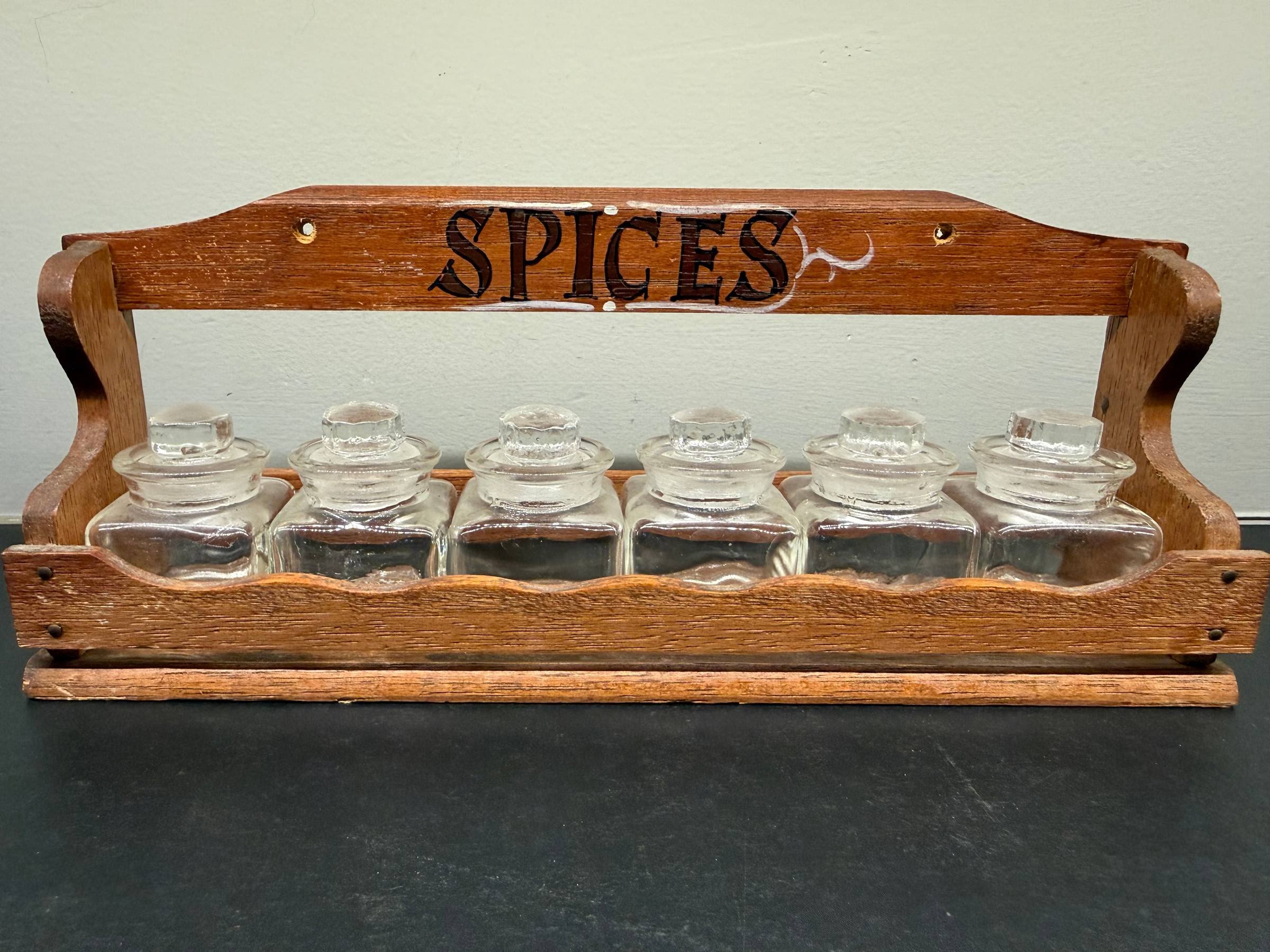
It's a lotus vase. Or officially called a "frog."

Six weeks ago, focus felt impossible.

You were buried. Reactive. Jumping between tasks and ending the day wondering where the time went.

I hope things feel more manageable.

To review, you've

  • Shaped your environment instead of fighting it.
  • Worked with your brain and energy’s natural rhythms.
  • Protected time for the deep work that moves your career.
  • Give yourself guilt-free rest.

None of this is magic. It's practice, and like any practice, it takes time, and you will slip.

A crazy week hits. The boundaries erode. The phone creeps back onto the desk. You cancel the fun for something urgent. That's not failure. That's just how a full, rich life works.

The question is how quickly you notice and come back.

That's the whole game. Do your best. Slip and recover. Start again. Skip the part where you judge or beat yourself up.

Learn to consciously reset. Take ten minutes at the end of the week to reflect. What worked? What didn't? What's one thing to protect or change next week? Small, consistent reflection compounds over time and creates powerful new habits. New habits transform your life, one step at a time.

Keep going! The skills you've built these past six weeks, focus, deep work, and recovery, aren't just productivity tools. They're career tools. They're what makes you someone who does exceptional work, builds a strong reputation, and is ready when opportunity appears.

Which, as we've talked about, is how careers advance.

This week: Set up your weekly reset. Pick a time — Friday afternoon, Sunday evening, whatever fits — and put it on the calendar. Ten minutes. Every week.

That's the whole practice.

Know someone navigating a demanding season at work? They can join us here.

Questions about focus or making the most of an intense stretch? Email me I read everyone.

Next week: Your environment is talking to you. Let's make sure it's saying the right things.
 

Rest Is Not a Reward

Time to read: You're gonna like this week's assignment. It's one minute down.

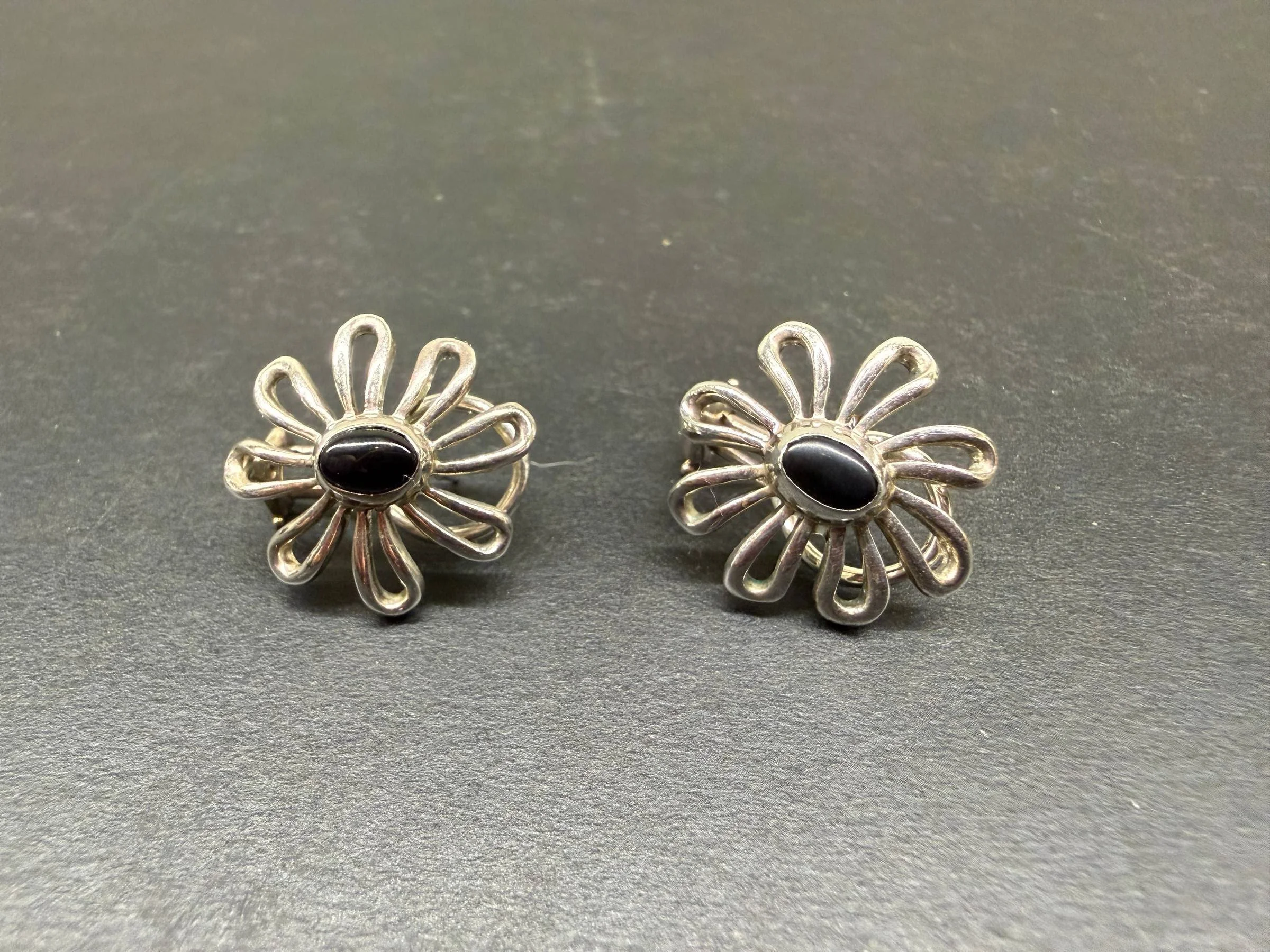
I'm starting to accept that the 1980s are vintage. Especially for these beautiful 1980s Tiffany earrings.

You've been grinding for weeks.

You're getting stuff done. Protecting your focus. Taming the noise. And somewhere in the back of your mind is a voice that says, “I'll rest when this is over. I'll have fun when I've earned it.”

I know this voice. I bet you do, too.

Rest makes work possible. It’s a must-have, not a nice-to-have. When you rest, your brain consolidates learning, generates creative connections, and recovers its capacity for focus. Cut downtime, and your effort will produce diminishing returns.

The same goes for fun. The things that have nothing to do with your career. A walk, a game, a long dinner with people you love. These aren't distractions from a productive life. They're the point of life.

Rest and downtime matter to your career. Some of your best thinking won't happen at your desk. It'll happen in the shower, on a run, staring out a window, while driving your car. The brain that's been given room to wander comes back sharper. That's how brains work. Giving yourself a break is you consciously using your brain’s full capacity.

The professionals who sustain high performance over a long career aren't the ones who grind the hardest. They're the ones who know how to rest and recover.

So, stop waiting to earn a break. Schedule it with the same intention you bring to your deep work blocks. Put it on the calendar and make it non-negotiable.

This week: Schedule something purely for you. Not productive. Not career-adjacent. Just fun. And if you’re tempted to cancel it, don’t. You must. Your coach just told you to rest. :-)

Know someone navigating a demanding season at work? They can join us here.

Questions about focus or making the most of an intense stretch? Email me I read everyone.

Next week: Your environment is talking to you. Let's make sure it's saying the right things.
 

How to Do the Work That Really Matters

Time to read: It's a long one! 1.5 minutes!

Deep work is rare.

Not because people are lazy. But because focus is hard to protect. There's always something urgent that gets in the way, and we humans like the dopamine hit of checking something off the to-do list.

The work that advances your career, builds your reputation, and creates opportunity is almost never the reactive, urgent stuff. It's the thinking, creating, and problem-solving that requires you to be fully present for an extended stretch of time.

That deep work doesn't happen by accident.

It starts with a ritual. Something small and consistent that signals to your brain that it’s time! A cup of coffee. A specific playlist. Clearing your desk. It doesn't matter what it is. What matters is that you do it every time, until it becomes a reliable on-ramp for focus. For me, it’s a clean counter and a cup of tea. (My office is the kitchen.)

Then protect the time. Notifications, open tabs, and email will try to distract you (read the newsletter about creating your environment). The sneakiest distraction is the urge to switch tasks the moment things inevitably get hard. The hard is good. It’s you stretching, creating, and using your gifts to do important work. It's not a sign you should stop. It's a sign to keep going.

The quality of thought that emerges on the other side of that resistance is where your best work lives.

Start small if you need to. The human brain can focus for 25 minutes. Take a break and come back again. 25 minutes of genuine focus beats three hours of distracted effort.

This week: Schedule one deep work block. Treat it like your most important meeting. Show up, do the ritual, close everything, and see what you're capable of. Know someone navigating a demanding season at work? Forward this to them. They can join us here.

Know someone navigating a demanding season at work? Forward this to them. They can join us sign up here.

Questions about focus or making the most of an intense stretch? Email me. I read every one.

Next week: Your environment is talking to you. Let's make sure it's saying the right things.

 

Managing Your Mind, Not Your Time

Time to read: 67 seconds

Goodness I love green glassware

You blocked the time. You cleared the space. You sat down ready to work.

Then your brain had other ideas.

The presentation is due Friday. Did you follow up with that client? You should really call your mother. What if the project falls apart? Is it too early for lunch?

No app blocks those distractions. No tidy desk fixes it. This is internal noise — and for most people, it's the hardest part of focus.

Here's what's happening. Under pressure, your brain generates a constant stream of unfinished business. Undone tasks, unresolved worries, unmade decisions. It's not trying to sabotage you. It's trying to make sure you don't forget anything important.

The trick is to give your brain a place to put that stuff. Two things will help you manage your monkey mind:

  • 1. Do a brain dump. Take 5 minutes to write everything down so your brain knows nothing will get lost. Then your brain can let go, and you can focus.
  • 2. Work with your energy. You know the time of day you are sharpest. You have a 2–3-hour window when your thinking is clearest. That window is precious. Don't spend it on email. Mine is in the early afternoon. Many people focus best in the morning.

Answer email when your energy dips. Do the deep work when you're at your best.

This week: Try a brain dump before your next focused work session. Write everything down, work and personal. Then close the list and get to work. Notice if it's easier to stay on task.


Your Environment Is Working For You or Against You

Time to read: 60 slow and luxurious seconds

You sat down to focus.

Then you noticed the laundry. A Teams message caught your eye. Your phone pinged. Forty-five minutes later, you've done everything except the thing you sat down to do.

Your environment did that.

We like to think focus is a matter of willpower. But willpower is a limited resource, and it’s easy to drain it with distractions. Instead, how about you design your surroundings so you're not burning through your willpower in the first place?

This applies to....

  • your physical space, the clutter, the noise, the phone sitting face-up on your desk.
  • your digital space, the tabs, the notifications, the apps, engineered to grab your attention and keep it.
  • the people around you, the open-door culture, the colleague who drops by, the meeting that could have been an email.

All these things are necessary at times. Left unmanaged, they will run your day.

The good news: small changes have a big impact. Close the tabs. Put the phone in a drawer. Signal to the people around you that you're heads-down. Clear your desk. Open only what you need and get to work.

Make focus the path of least resistance.

This week: Pick one thing in your environment that consistently pulls your attention and change it. Move your phone. Turn off notifications. Find a quieter spot, and see what happens.


Why Focus Feels Impossible Right Now

Time to read: 55 seconds

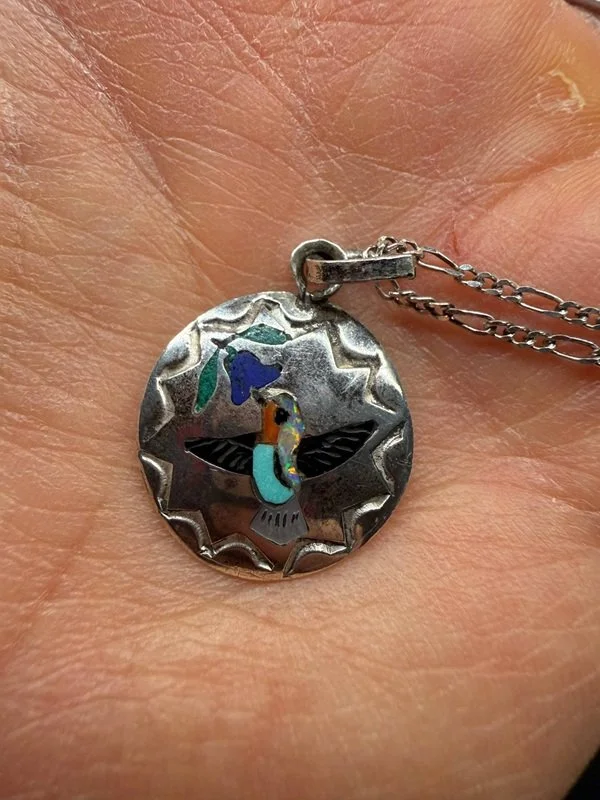
Check out this gorgeous Zuni inlaid hummingbird pendant!

Your to-do list is long.

Your inbox has thousands of unread messages.

Your phone buzzes. A meeting appears on your calendar. Someone needs something. You have three browser tabs open that you were going to handle today.

Somewhere in there, you have work to do. Important work. The kind that moves your career forward.

No wonder focus feels impossible.

Here's the thing: it's not you. When the pressure is on, your brain does exactly what brains do under stress. It scans for threats. It jumps between inputs. It mistakes busyness for progress.

Focus isn't the absence of distraction. It's a skill that you can learn and strengthen.

Over the next six weeks, that's what we're going to do: focus on focus.

You differentiate yourself when you consistently do deep, meaningful work, even when everything around you is loud and chaotic. It builds your reputation. It creates the conditions for opportunity. It delivers for your employer and is fulfilling for you.

You can't control what comes next in your career. But you do own the quality of your work right now.

That's where we start.

This week: Take two minutes and do an attention audit. Be honest. Where does your focus actually go during a typical workday — not where you intend it to go? Jot it down. No judgment. Just notice.

Awareness is always the first step.


I Missed Last Week. (And I'm happy about it.)

Time to read: 35 seconds

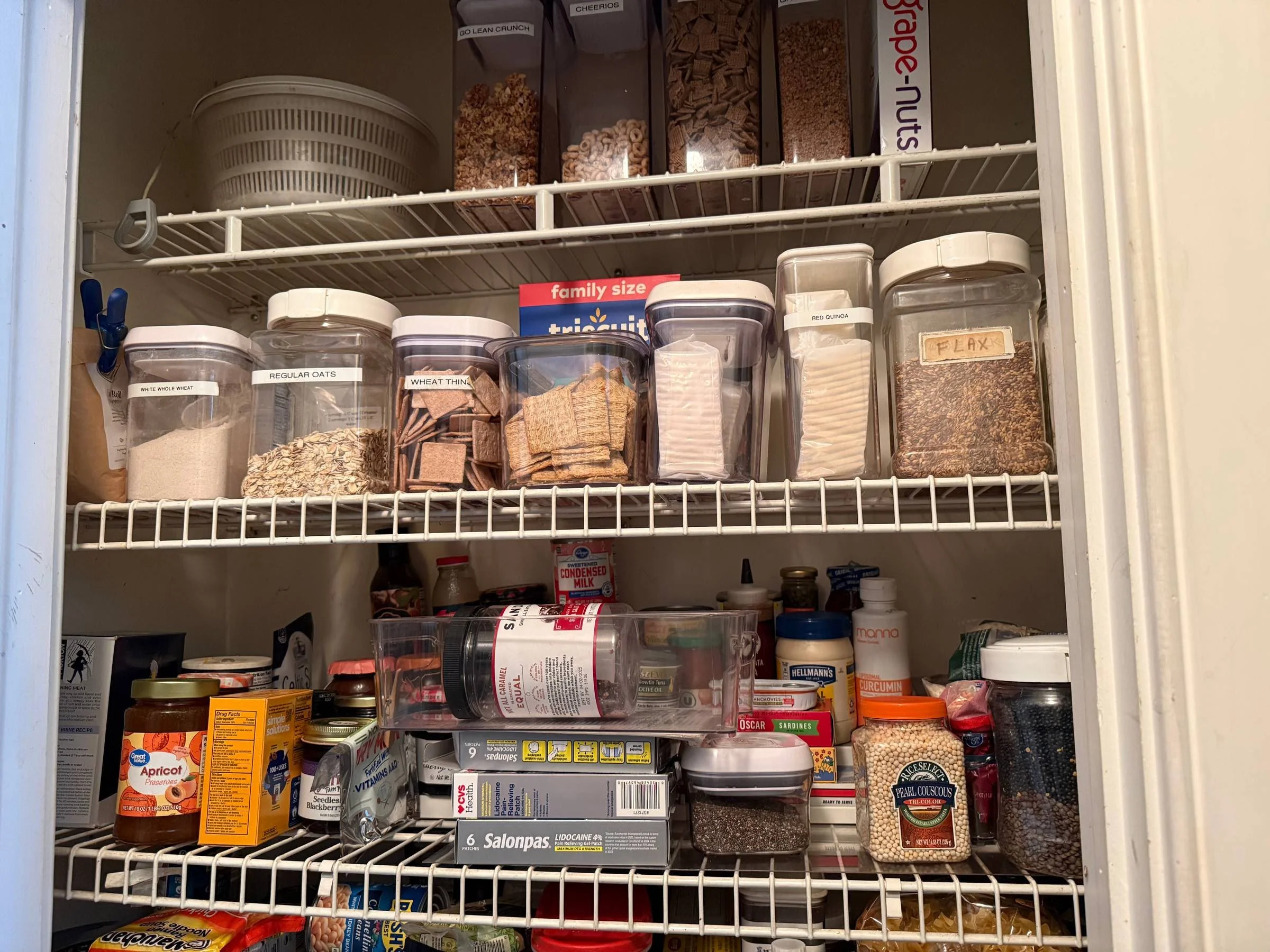
Gold stars, please for this clean pantry!

Twelve years. Every Thursday. Last week I failed, and I feel great about it.

Here's why:

I was in a board meeting. I was at my parents' house, helping them with the things parents eventually need help with. Thursday just slipped by. I didn't notice until Friday.

Here's what I want you to notice: I'm not apologizing.

We are skilled at apologizing for being human, and I want to model that it's ok to drop a ball sometimes.

Sometimes the most honest thing a leader can do is let a Thursday go. Be in the room with the board. Be in the kitchen with your parents. Be where life and work actually are.

Not doing something — really, consciously choosing not to — is one of the most underrated leadership moves there is. It's not laziness. It's discernment.

So if you missed something this week, or chose your people over your list, or just ran out of runway: don't spiral. Ask yourself — was anything actually broken?

I bet nothing was.

Email me and tell me. I really do want to know.